The Current Landscape of Auto-steering Technology
Imagine driving your tractor across fields, the sun setting in the distance as the GPS-guided system effortlessly steers you through rows. Steer ready auto steer systems aim to make this vision a reality—leading to optimized productivity. Did you know that 65% of agricultural producers have reported increased efficiency since integrating this technology? Yet, numerous users struggle with traditional solutions that often fall short of their expectations. Is this targeted technology living up to its promises?
Challenges with Traditional Auto-steering Solutions
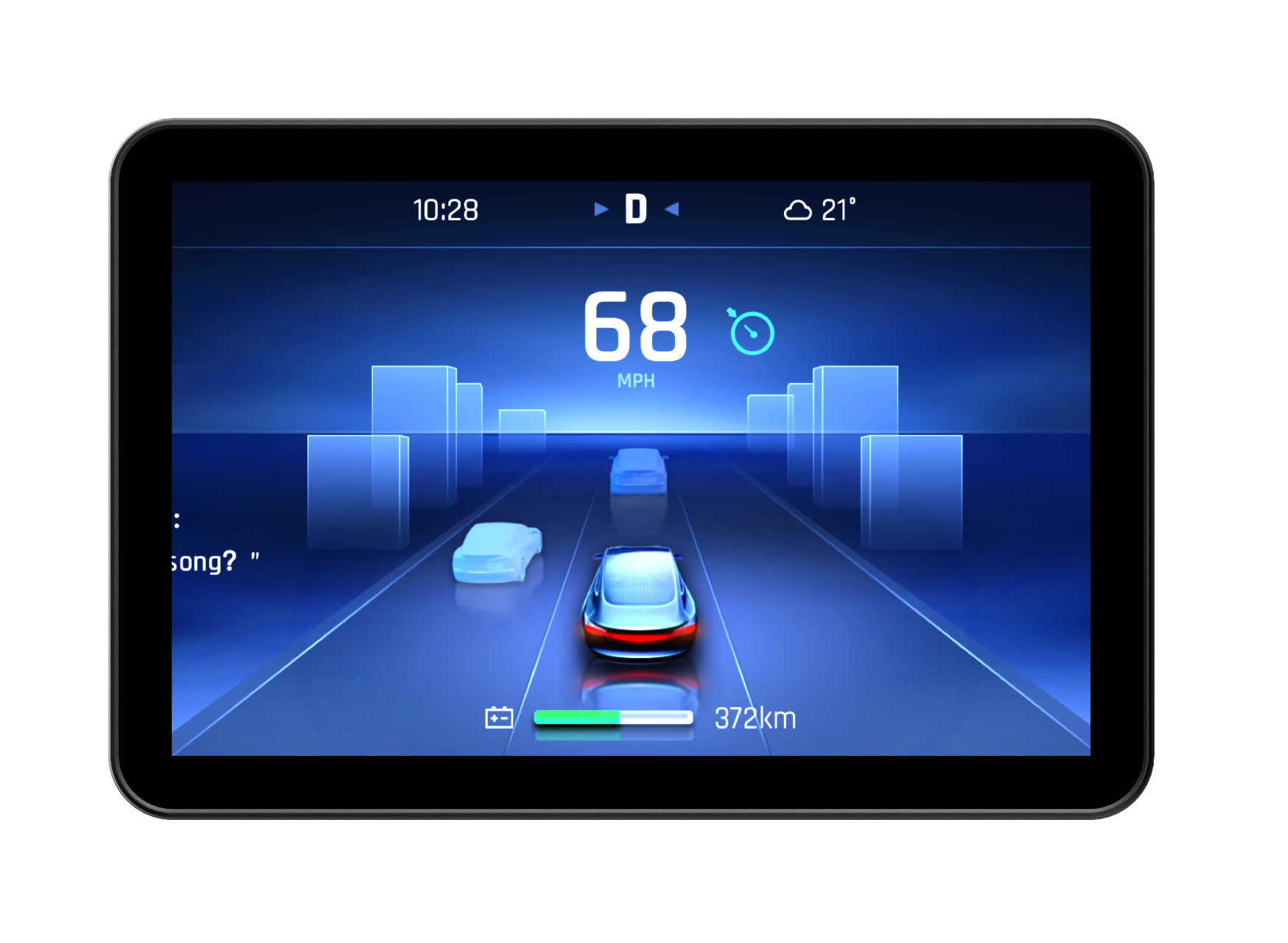
Many farmers I’ve spoken with experience the frustration of having their equipment constantly drift off course due to inadequate calibrations and outdated software. These traditional systems often fail to provide a seamless user experience, posing hurdles that can compromise yields and increase operational costs. For instance, I recall a friend in Iowa who, despite investing in a well-known system, faced incessant issues with accuracy. He described spending hours recalibrating his tractor’s alignment. This kind of user pain point is far too common.
Are Farmers Losing Out on Efficiency?
More troubling is that these errors can often lead to costly rework. If you’re not running your machinery at optimal settings, those missed opportunities can stack up. With the advancements in precision agriculture, it seems counterintuitive for existing solutions to still leave farmers feeling stuck in the mud, right?
What’s Ahead for Auto-steering Systems?
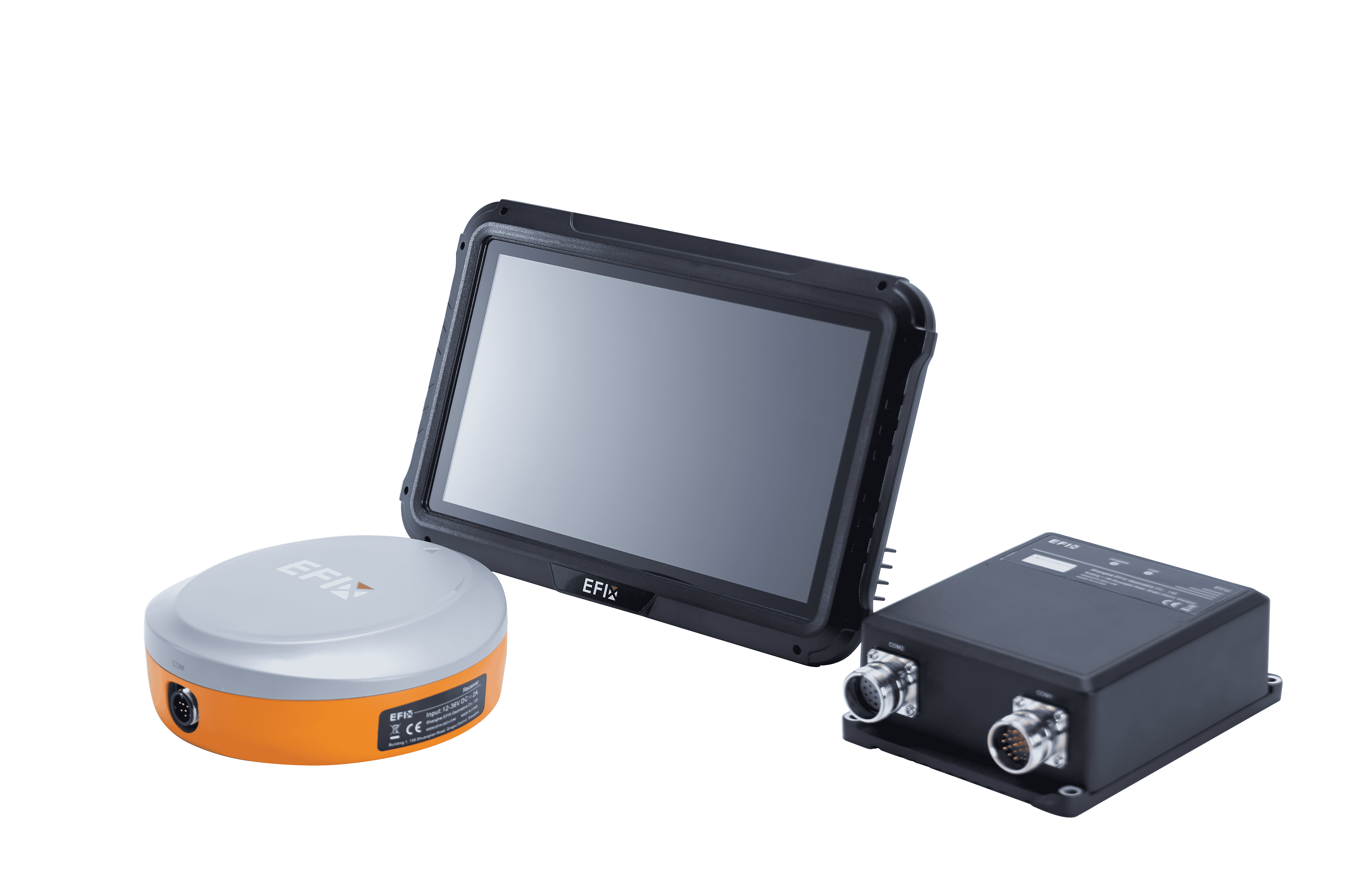
Shifting gears, let’s look forward. The modern steer ready auto steer system promises much more than previous generations. They are designed with user-friendly interfaces, advanced algorithms, and compatibility with a range of machinery. Farmers can finally breathe easy knowing their systems will deliver accuracy and reliability without the headaches.
What Innovations Can We Expect?
Consider the advantages of real-time data analytics and streamlined integration that these new systems offer. Imagine having the ability to monitor your tractor’s performance remotely while receiving alerts on operational issues before they become significant problems. That’s where the industry is heading—into an era of smart farming. And believe me, as a long-time contributor to the agricultural landscape, I see these developments as game-changers.
Key Takeaways and Insights
From the challenges of outdated auto-steering technologies to the promising features of modern solutions, the path to improving agricultural efficiency is clear. As farmers, prioritizing systems that provide real-time feedback and seamless integration should be at the forefront of decision-making. Transitioning to better technology enables us to maximize yields while reducing costs.
Reflecting on these shifts, I believe we’ll see a broader adoption of steer ready auto steer systems that empower farmers. Remember, investing in technology is not merely a choice; it’s a necessity for future sustainability. As I often remind my colleagues, “In the world of agriculture, those who adapt and innovate will reap the most benefits.” For supportive insights and to explore innovative solutions, check out EFIX; they’re paving the way for smarter agriculture.