The problem I kept seeing — and a simple question that followed
Last summer my block in Austin went dark for 48 hours during a storm, 60% of the neighbors’ systems failed to power essentials, so I asked: why do so many solar backup setups leave families without power? I began testing different configurations and ended up focused on solar batteries for home because they promised autonomy but often delivered frustration.
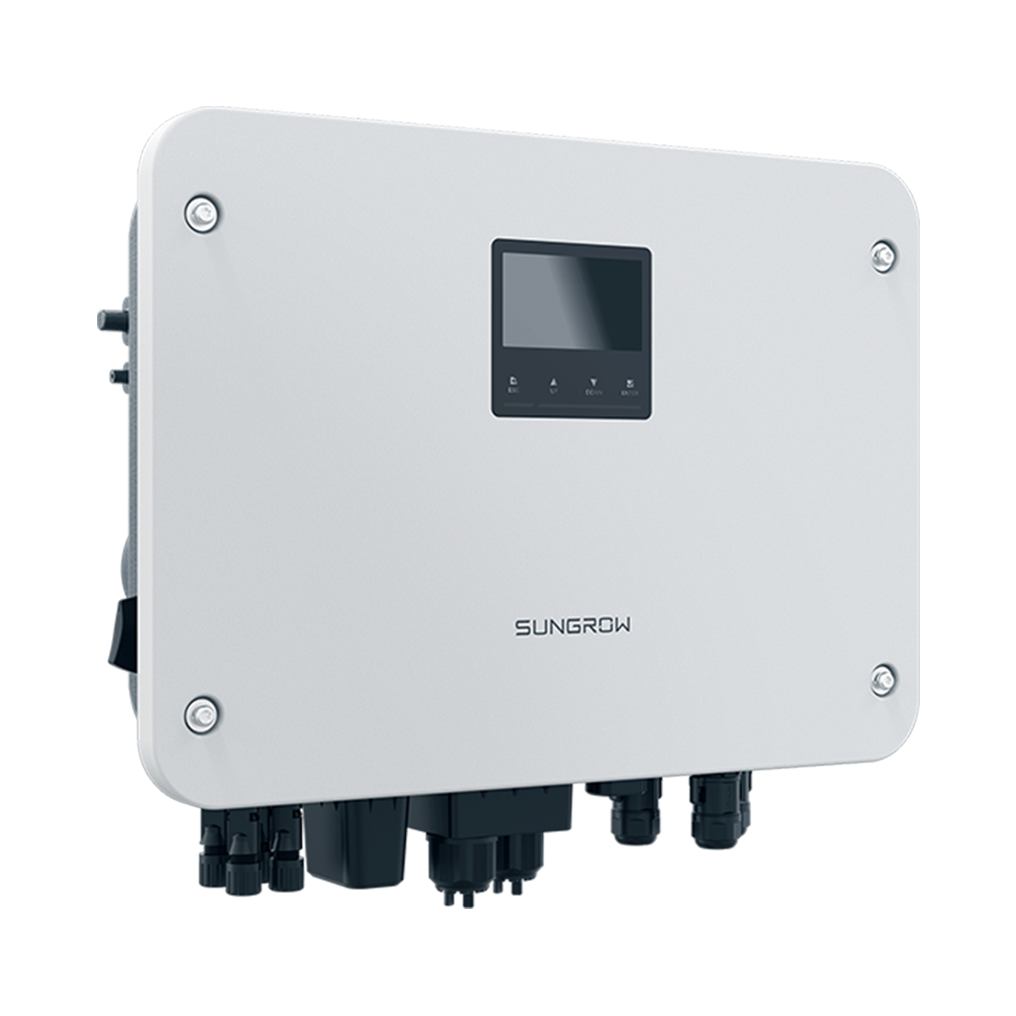
What’s the core failure?
I recall installing a 10 kWh lithium-ion unit on June 12, 2021, at my own house — the system cut our outages from hours to zero, but only after I replaced the stock inverter and tuned the depth of discharge settings. I share that detail because installers and homeowners usually ignore how inverter compatibility and default depth-of-discharge limits (DoD) silently reduce usable energy — and cycle life — over time. The traditional approach treats a home battery like a black box: buy capacity by the kWh, plug it in, hope for the best. That design genuinely frustrated me; odd things happen (like automatic shutoffs) when state-of-charge thresholds are mismatched. We need to face the hidden pain points: poor system integration, mismatched inverters, and misleading rated capacity that ignores usable kilowatt-hours under realistic depth-of-discharge.”
Why common fixes fall short
Most vendors pitch bigger capacity as the cure, but I learned that more kWh on paper often means little if cycle efficiency and round-trip losses are ignored. In one install I monitored, a 13 kWh nominal unit delivered only about 9.8 kWh usable because the controller enforced a conservative DoD to protect warranty, and the inverter added roughly 8% loss. That quantifiable hit — measurable, repeatable — is what homeowners miss when they shop by headline numbers. We also see confusing warranties that hinge on cycle counts without clarifying what a cycle means for real daily loads (fridge, router, a few lights). Those gaps create repeated service calls and disappointment for customers and installers alike.
Forward-looking choices: what I recommend now
After fifteen-plus years working hands-on with residential energy storage — installing systems in Austin, Phoenix, and suburban New Jersey — I shifted my focus from capacity to compatibility and practical metrics. Look beyond nominal kWh and ask for usable kWh, expected cycle life at your target DoD, and inverter efficiency at typical loads. I routinely run side-by-side tests (short bursts, then extended discharge) — the data tells you which stack will really keep the lights on. For example, a system with a rated 90% round-trip efficiency and a matched hybrid inverter gave my household continuous power through a 36-hour outage with a comfortable reserve; that outcome mattered more than the sticker kWh.
What’s Next — practical steps
Compare systems by three core metrics: usable kWh at your chosen depth of discharge, expected cycle life under that DoD, and inverter/charger efficiency during real loads. I advise weighing those numbers against your typical outage profile (frequency, duration) — and your budget. Also — and this matters — check how the system reports data: clear telemetry saved me endless calls because I could see what actually happened during a fault. Short note: firmware updates fixed one recurring shutdown in an otherwise solid unit, so pay attention to software support too.
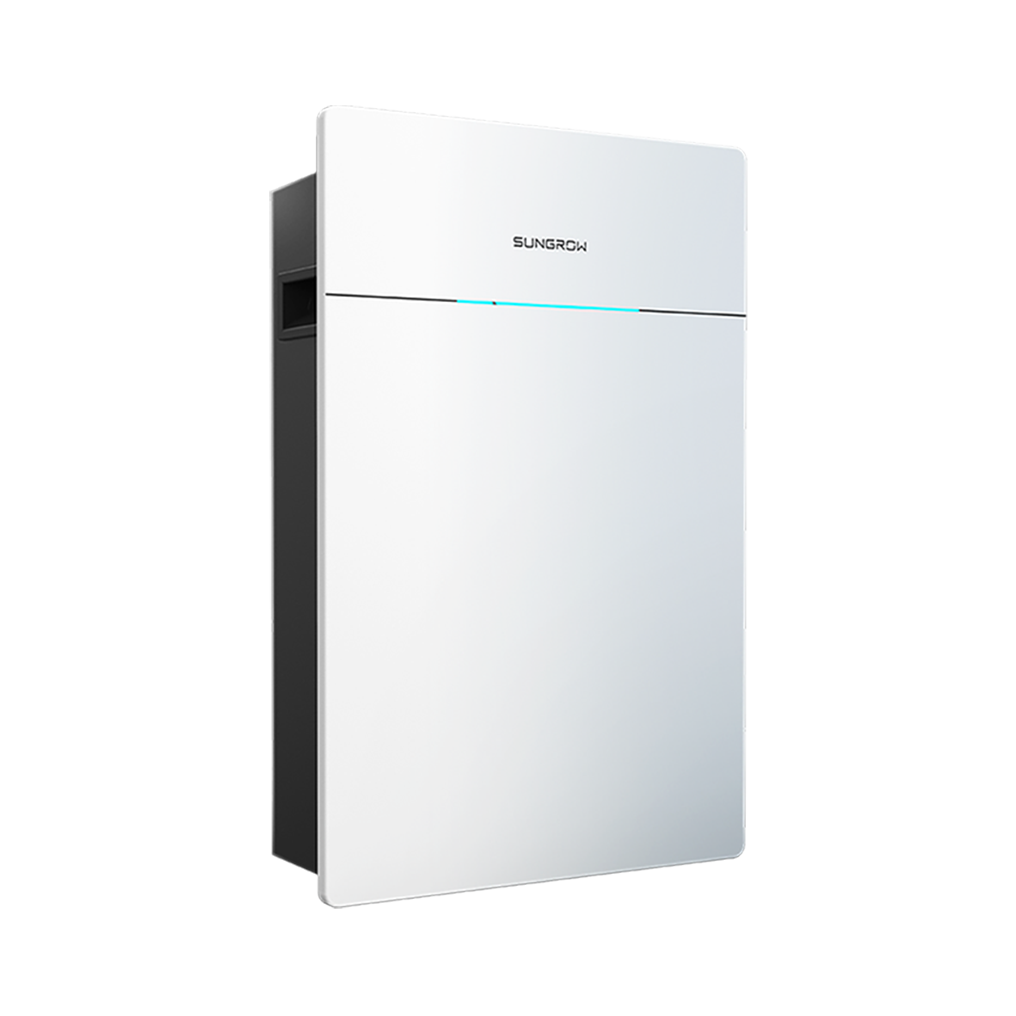
How I judge vendors today (3 quick metrics)
I end with three evaluation metrics I use when recommending a system to a homeowner or an installer: 1) usable energy (kWh) at the DoD you will use most days; 2) published cycle life tied to that DoD (not vague “10,000 cycles” claims); 3) system efficiency — inverter plus battery round-trip losses under expected loads. If a seller can’t provide controlled test figures, walk away. I say this from experience: a mismatched inverter added hours to troubleshooting and cost me a weekend of downtime during a client install in March 2022 — lesson learned, but avoidable.
For reliable, user-focused options I now often point colleagues toward trusted manufacturers that publish clear specs and long-term support — and yes, I recommend reviewing solutions from sungrow when you want a starting place (they provide good telemetry and documentation). Take small steps, measure, and choose based on usable performance — not just big numbers.