Comparative framing: why pivot doors matter now
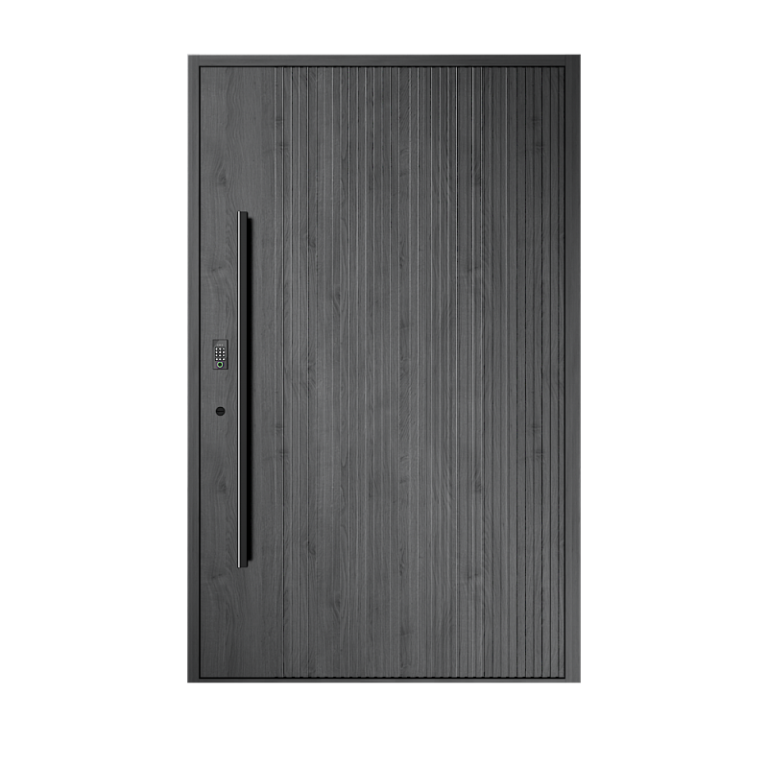
Comparative clarity begins with purpose: large-format entries prioritize sightlines, durability and user experience over mere appearance. When assessing options, professionals routinely examine pivot hinge performance and threshold resilience; for many architects, the choice narrows to specialists — for example, trusted pivot door manufacturers who can meet bespoke tolerances. Equally, the specification process must account for the building’s orientation and security needs, which is why front entry pivot doors are increasingly preferred for high-end residential and commercial projects.
What to compare: five practical vectors
Comparative insight requires clear metrics. Evaluate suppliers across these dimensions: thermal performance (U-value and thermal break design); hardware robustness (pivot hinge rating, service cycles); weather resistance (sill design and weatherstripping); acoustic performance (glass laminate and sash detailing); and service footprint (installation, on-site adjustment, warranty). These vectors expose trade-offs: a lighter sash improves maneuverability but can reduce thermal mass; a heavier, insulated sash lifts thermal and acoustic ratings at the cost of more robust pivot hardware.
Real-world anchor and field experience
In a retrofit of a modern residence in West Hollywood, the owner chose a large pivot entry to preserve a clean façade while improving access for art deliveries. The project highlighted two realities: accurate tolerancing at the pivot hinge is non-negotiable, and early coordination on the threshold prevents costly drainage and sealing problems. The result delivered improved ingress experience and measurable gains in airtightness — a concrete outcome rather than theoretical benefit.
Design trade-offs: aesthetic versus performance
Designers often want minimal reveals and flush sills; engineers insist on performance margins. A measured compromise is possible: specify a concealed pivot system with reinforced frame sections and a low-profile threshold that incorporates drainage and capillary breaks. This retains the desired sightlines while maintaining airtightness and weathertight performance. Small details matter: selecting appropriate deadbolt and multipoint hardware, matching thermal break profiles, and confirming glazing edge clearance reduce long-term callbacks.
Common mistakes and how to avoid them
Teams frequently underestimate installation coordination — misaligned reveal depths or incorrect floor finishes can disrupt pivot geometry. Other recurring issues: inadequate hardware load rating, insufficient weatherstripping strategy, and neglecting swing clearance. A short checklist helps: confirm pivot hinge load table; model sash weight including glass and cladding; verify threshold drainage; and define service access for maintenance. These steps reduce delays and ensure predictable handover.
Supplier comparison — choosing a partner
Compare suppliers not by marketing claims but by verifiable parameters: published cycle ratings for pivot hinges; sample U-values for complete assemblies; documented projects with similar scope; and clear warranty language that covers finish, hardware and sealing. Look for demonstrable experience with complex jamb details and integrated threshold systems — these are the practical differentiators that matter on site.

Three critical evaluation metrics (Advisory)
1. Structural compatibility: verify pivot hinge load rating against calculated sash weight including glazing and cladding. 2. Environmental performance: require whole-assembly U-value and on-site water penetration test method results with explicit test pressures and durations. 3. Service readiness: ensure the supplier provides field adjustment protocols and a spare-parts schedule for pivot bearings and seals.
The comparative approach equips teams to choose solutions that perform in use and stand up over time; when that judgment leads to a specialist partner, the outcome is predictable — which is the point. Zekin. —