Introduction: The Hidden Maths of a Warm Room
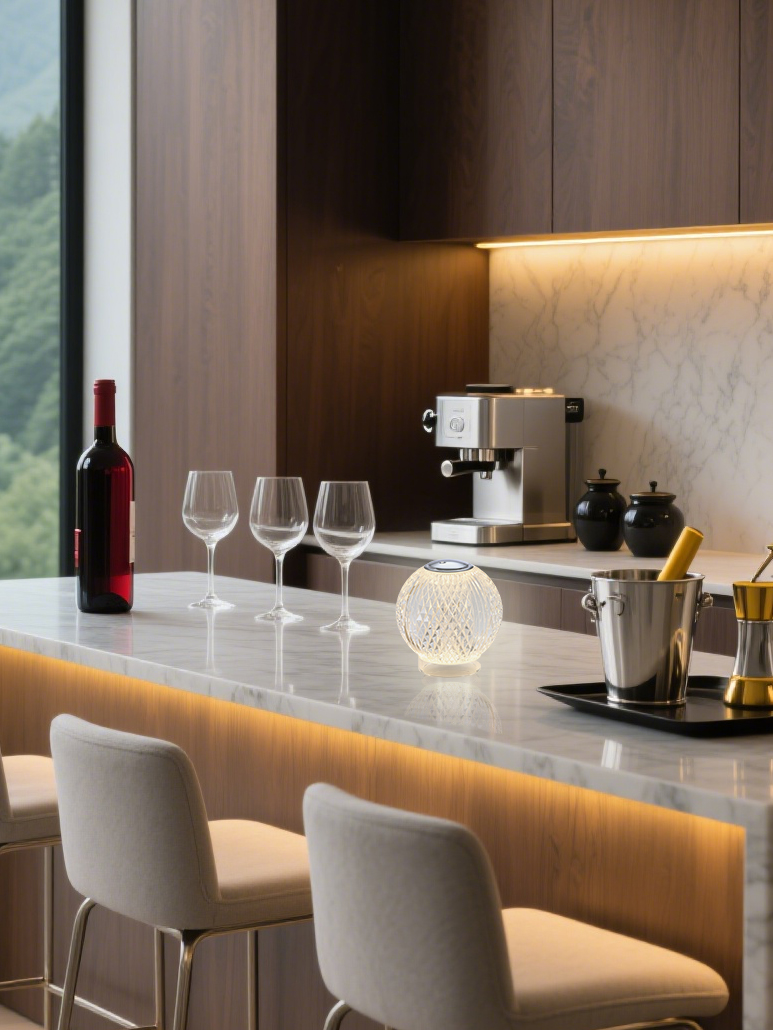
Here’s the truth: the right light can steady a room like a heartbeat. nan slips in when numbers go missing or make no sense. Picture a Dublin flat at dusk. The table is set, the kettle hums, and your new acrylic pendant lights promise calm. Data says you need enough luminous flux for clear tasks, a steady CRI for honest colour, and driver circuitry that won’t flicker when the fridge kicks in. Yet many specs read like mist. Are we measuring real output or brochure dreams? Does the diffuser hide glare or only dress it up? Small room, high ceiling, mixed tasks—there’s a puzzle here. And the old rules can’t solve it on feel alone (grand if they did). So we ask a better question: which variables matter most for daily life, and why do they go quiet right when we need them? Let’s step through it, steady as you like, and make a clean start.
Why do the numbers feel slippery?
Because the common fixes mask the deeper flaws. Traditional fittings lean on opaque shades to soften glare, but that can choke useful beam angles and waste power factor. Old-school bulbs swap warmth for brightness, then add harsh hotspots. Some pendants push lumen claims without accounting for diffuser optics or thermal management. That’s why a 1,000-lumen unit can feel dim while a 700-lumen one sings—funny how that works, right? Look, it’s simpler than you think. Ask how the acrylic spreads light, not just how much it catches. Check if the driver keeps a clean waveform at low dim levels. Watch for CRI consistency across colour temperatures. And mind the install height: poor spacing-to-mount ratios cause shadow bands you’ll notice every single tea time. When the baseline is honest, the room breathes. When it’s not, you’re left chasing vibes with no map.
Next-Gen Light Logic: Principles That Change the Ceiling
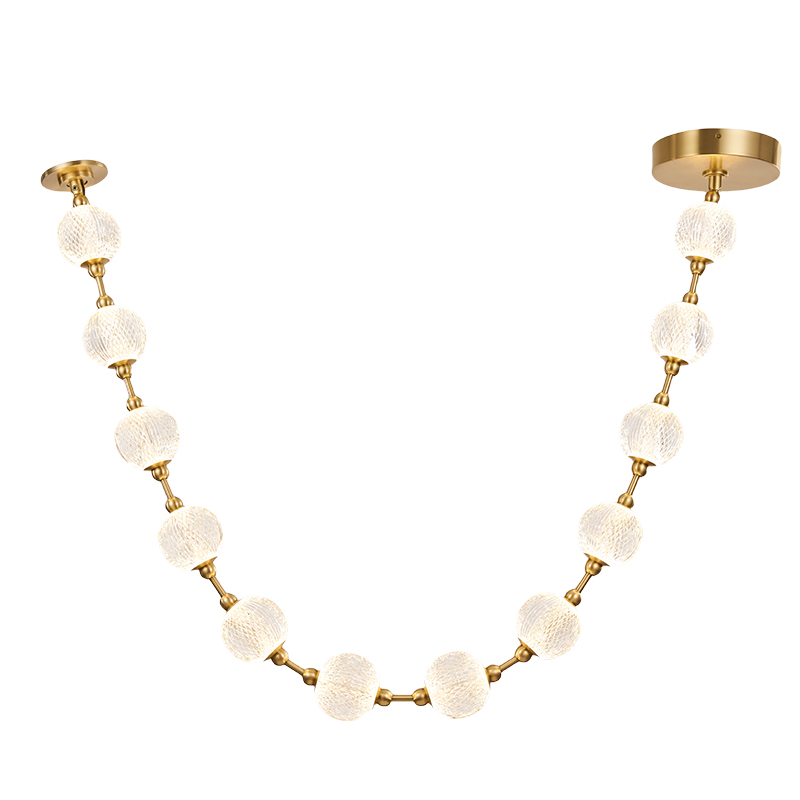
We move forward now, and compare the old with the new. Modern acrylic diffusers use micro-prismatic patterns and edge-lit waveguides to boost uniformity without bleeding output. Constant-current drivers with tight ripple control keep eyes calm during dimming. UV-stable PMMA resists yellowing, so CRI and colour tone don’t drift. That’s the new playbook. And it scales—whether you’re lighting a snug kitchen or balancing a chandelier for duplex house over a tall stair void. In taller spaces, you want controlled candela distributions, not guesswork pools. In smaller rooms, you want soft cut-off and fewer glare spikes. The tech delivers both by shaping the beam, not bullying it. Dublin nights ask for comfort and clarity; the best systems serve both without theatre.
Recap, but sharper: we learned that numbers matter when they map to lived tasks, not when they hide under gloss. Now, think ahead. NFC-programmable drivers let you fine-tune output on site. Better diffuser optics keep colour even across angles, while improved heat sinking protects lifespan. Advisory close? Three checks win the day. First, verify true system lumens after optics, not bare LED claims. Second, confirm low flicker at dim setpoints and stable power factor under load. Third, judge beam quality in-room—wall bounce, table reach, and face light at standing height. If those align, your pendants will feel calm and sure—every morning and every late chat. That’s the quiet craft behind a room that holds you, rain or shine. For deeper spec sheets and build cues, see kinglong.