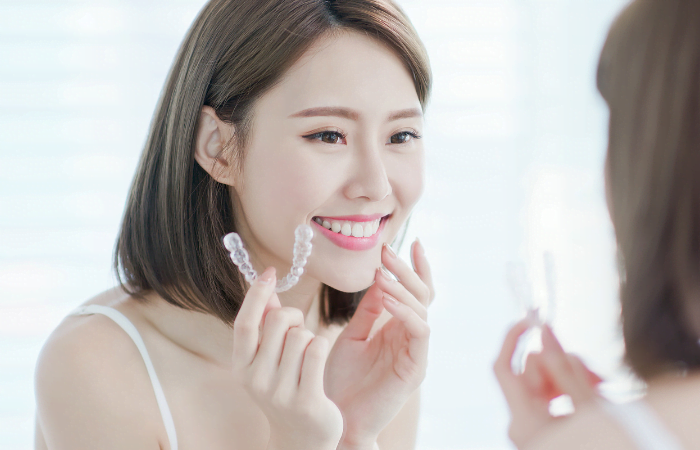
Introduction: A Quiet Problem, Big Numbers, and a Question
Have you ever wondered why two patients with the same bite end up with very different experiences and outcomes? lulusmiles has been tracking patient feedback and clinical metrics, and the numbers are clear: satisfaction and treatment time can vary by as much as 40% between clinics. (It’s not always the braces; often it’s the process.)
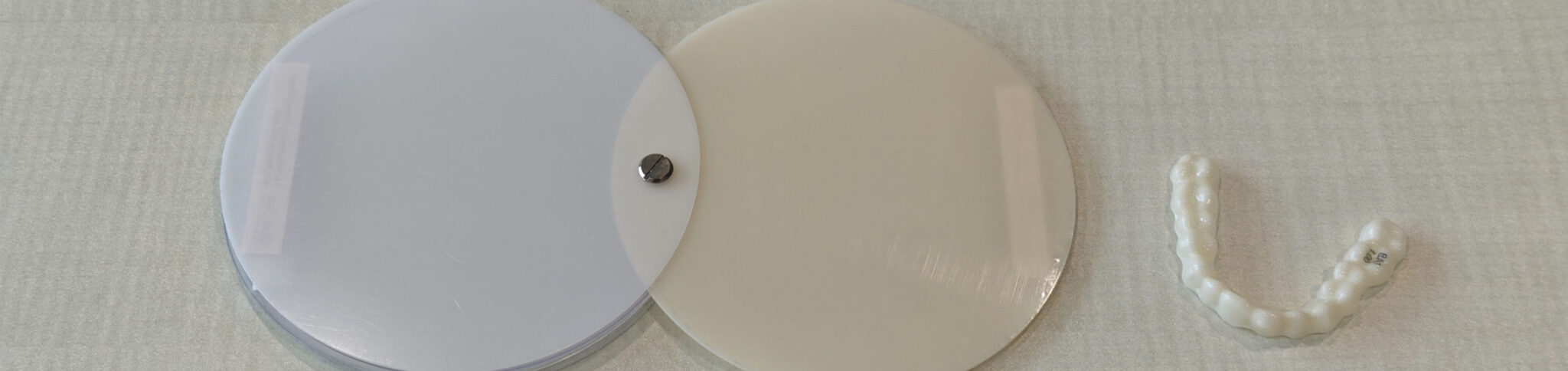
I’ll be direct — this guide is my attempt to cut through jargon and give you practical comparisons you can use. I’ve worked alongside clinicians and sat in on consultations, so I speak from hands-on observation as well as from data. You’ll see terms like occlusion, bracket system, and archwire used throughout — these are not just buzzwords; they matter to outcomes and comfort.
Why should you care? Because choosing the right clinic affects more than your smile — it affects time, cost, and even long-term oral health. We’ll move from common pitfalls to clear evaluation criteria, step by step, so you can decide with confidence.
Now — let’s examine why many traditional approaches still miss the mark and what that means for patients.
Where Traditional Orthodontic Care Often Fails
I want to start with a hard fact: many patients walk into an orthodontic clinic expecting a similar path but leave with very different results. In my experience, the two biggest failure modes are process rigidity and poor communication. Clinicians often rely on one-size-fits-all protocols — fixed bracket systems, standard archwire sequences, and routine appointments — without tailoring them enough to the patient’s occlusion or lifestyle.
What breaks down?
First, consider diagnostics. Traditional records (paper notes, basic radiographs) miss dynamic information. Modern digital scans capture three-dimensional alignment and jaw relationships, but not every clinic uses them. Second, treatment plans get too linear. A patient with malocclusion and concurrent periodontal sensitivity may need staged approaches — yet many clinics push the same power chain and archwire progression for everyone. This causes discomfort and, worse, treatment delays.
Look, it’s simpler than you think: patient variability demands flexibility. I’ve seen cases where a single mid-course adjustment — changing to a different bracket type or altering force levels — shaved months off treatment. That’s not magic; it’s attention to biomechanics, appliance selection, and patient feedback. — funny how that works, right?
Forward-Looking Options: Technology, Case Examples, and Choosing Better
What’s next for clinics and patients? I’ll map two paths: pragmatic tech integration and patient-centered protocols. In one case, a clinic introduced cone-beam scans and custom bracket placement; a teen with a complex underbite (underbite) shifted from a two-year plan to eighteen months with fewer office visits. In another, a practice focused on staged bonding and lighter continuous forces to protect periodontal health, and the adult patients reported far less pain and higher satisfaction.
Real-world Impact
These examples show principles more than gadgets: adaptive treatment sequencing, targeted forces, and clear communication. I recommend evaluating clinics on three metrics — they are practical and comparable:
1) Diagnostic depth: Do they use 3D imaging and digital models? (This reveals transverse problems and hidden asymmetries.)
2) Customization level: Will the clinic tailor bracket type, archwire progression, and appointment intervals to your case?
3) Outcome transparency: Do they share expected timelines, success rates, and potential complications up front?
When I weigh clinics, I look for evidence of these elements. They predict not only efficiency but the human side — fewer surprises, less discomfort, better long-term occlusion. I trust clinics that treat every case as an individual puzzle rather than a standard assembly line — and I think you should too.
Closing Advice: How to Choose — Three Practical Metrics
To wrap up, here are three evaluation metrics I use and recommend you use when choosing an orthodontic clinic. First, clinical technology — not for its own sake, but because precise diagnostics (digital scans, 3D models) reduce guesswork. Second, protocol flexibility — look for practices that adjust bracket systems, archwire sequencing, and force application to the patient. Third, patient communication and outcome tracking — clinics that document progress and explain trade-offs tend to deliver better satisfaction and fewer revisions.
I admit I’m opinionated about this: good orthodontic care blends technical skill with listening. If I were choosing for myself or a family member, I’d prioritize those three items above polished marketing or the cheapest price. The result is measurable — shorter treatment, fewer emergency visits, and a more stable occlusion long term.
For straightforward, patient-focused options and more resources, consider visiting lulusmiles.


