Introduction
Have you ever felt that more wattage equals better results and then watched that idea fall apart? I ask because when we talk about advanced red light technology, the headline numbers—watts, size of the emitter—often distract from what actually matters. In one clinic study I read, devices with higher peak power missed therapeutic windows more than balanced systems (true story). So where does that leave practitioners and users who want predictable outcomes? I want to slow down and look at a single, simple question: are we measuring the right thing?
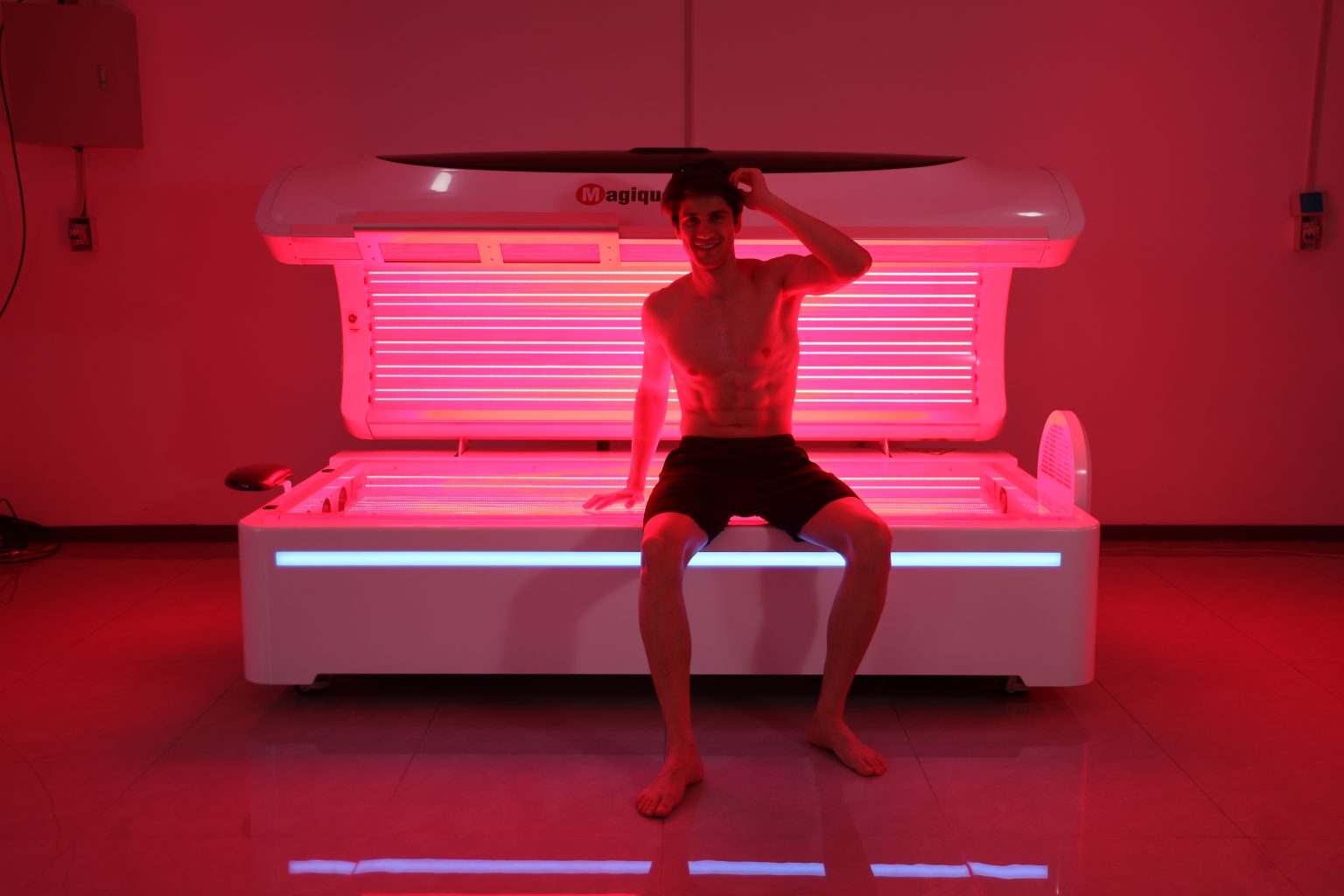
I’m reflecting here as someone who’s tested panels, tweaked settings, and sat with patients waiting for a visible response. The data matter—irradiance curves, pulse width, and wavelength stability—but so does the human side: comfort, ease of use, and time spent per session. We need to connect numbers to people. Next, I’ll point out where common solutions actually shortchange both science and users.
Where Traditional Approaches Fall Short
red light therapy technology is often sold as a single-solution fix: higher output, faster results, end of story. I’ve seen that pitch in product specs and locker-room debates. Let me be clear: that pitch misses multiple failure modes—thermal drift in LED arrays, inconsistent irradiance across a treatment field, and poor power conversion paths—so the result is uneven dosing. Look, it’s simpler than you think: if half the pad delivers 20 mW/cm² and the other half 8 mW/cm², your session is a bet, not a therapy.
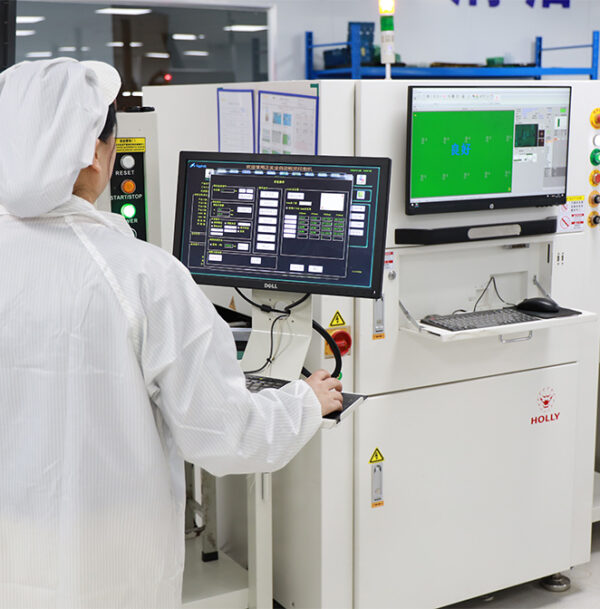
Why does that matter?
From a technical standpoint, the faults stack up. Edge computing nodes left out of the control loop mean no adaptive feedback to correct for warm-up shifts. Power converters that aren’t matched to the load introduce noise and reduce lifetime. And yes, wavelength modulation matters—photobiomodulation responds not just to intensity but to precise spectral bands. I’ve watched clinicians stop using a device because real-world performance didn’t match bench specs—frustrating, and avoidable. — funny how that works, right?
Principles for Moving Forward (and What to Measure)
Now let’s turn to principles that actually move the needle. I favor designs that prioritize uniform dose delivery, closed-loop sensing, and adjustable pulse parameters. When engineers build around stable drivers and distributed sensors, they tame thermal drift and keep irradiance within therapeutic windows. In practice, that means pairing LED arrays with local monitoring and smarter control firmware—no magic, just applied systems thinking. I want to stress: small design shifts change outcomes for users. — and I mean that.
What to watch for next
Thinking ahead, I see three practical metrics we should use when choosing or building a system. First, dose uniformity: how even is the irradiance across the panel? Second, stability under load: does output hold steady as the device warms? Third, control fidelity: can you adjust pulse width and duty cycle with predictable effect? These are simple to test; I run quick spot-checks in a clinic and get real answers fast.
For anyone evaluating new tools, I recommend these three evaluation metrics as concrete filters: dose uniformity (aim for <15% variation across the field), spectral accuracy (wavelength tolerance within ±5 nm for target bands), and closed-loop stability (less than 10% drift over a typical session). Use those and you’ll sidestep the marketing noise and focus on what actually changes outcomes. I’ve learned this the hard way—testing, discarding, and rebuilding systems until they behaved. If you want a practical partner in this space, consider looking closer at trusted manufacturers like Magique Power for detailed specs and quality controls.