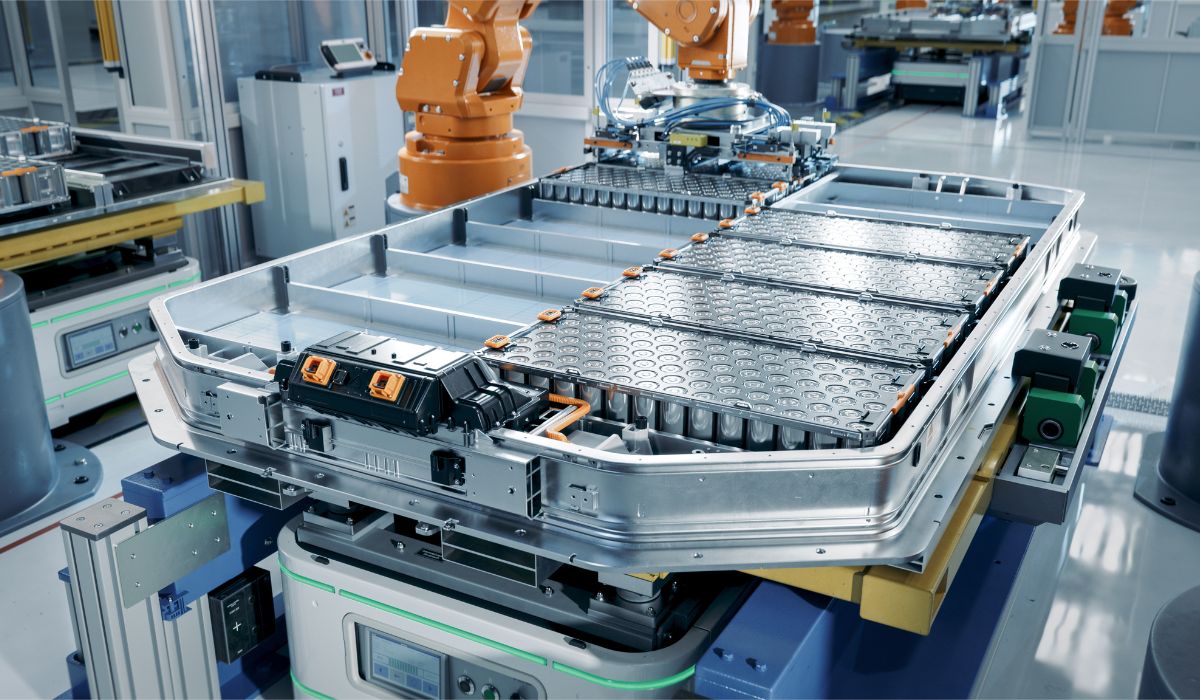
A Quick Floor Walk, Then a Question
I’m standing by the loading bay at dawn, watching pallets edge toward the dryers while a tech scrolls through yesterday’s throughput on a tablet. The lithium battery production line hums low, like it’s holding a secret. Last quarter’s data says defect rates fell 1.8%, yet downtime crept up by 4%—so did we really win, or just move the problem around (again)? And here’s the kicker: the same line has to double capacity next year, without doubling energy use. Can a setup tuned for stability cope with volatile demand and tighter specs, or are we just taping over cracks?
Direct answer coming—because the next step isn’t always a new machine. It’s how we stitch the system together. Let’s unpack where the friction hides, then compare the paths forward.
The Quiet Costs in Today’s Setups
In battery production line factories, the pain is not only scrap. It’s blind spots between steps that look “fine” on paper. A dryer hands off to calendering; calendering hits its target; formation cells are ready. Yet traceability stutters at the handoffs. MES logs are complete but not predictive; edge computing nodes exist but sit underused; and power converters run in safe bands, not optimal ones. Look, it’s simpler than you think: when feedback loops lag by hours, micro-drifts in slurry viscosity or web tension turn into rework tomorrow. That’s cost you don’t see on today’s dashboard—funny how that works, right?
Where do hidden losses start?
They start when “steady state” is the goal instead of “controlled adaptation.” Operators stabilize roll-to-roll coating, but the dry room shifts 0.5% RH with shift change. Quality tools flag it later. Meanwhile, recipe tweaks don’t sync across feeder lines, so cycle times vary by seconds that add up to hours. The result: OEE looks healthy, yet order lead time slips. The technical debt piles up in calibration drift, late alarms, and manual overrides. And yes, the fix is technical: tighter sensor fusion at the line edge, faster decision rules, and rethinking how we stage buffers so the line breathes without choking.
Comparing Paths: Principles That Actually Scale
Let’s move from “what hurts” to “what helps,” and do it with a straight comparison. The old pattern adds capacity by bolting on tools. The better pattern redesigns the control loop. In a modern lithium ion battery production line, three principles stand out: first, local autonomy where it matters (edge decisions near coating and calendering to hold thickness within microns); second, energy-aware scheduling that times formation and aging with grid-friendly windows; third, model-based tuning so your dryers and chillers don’t fight each other. Each piece sounds small. Together, they cut response time from hours to minutes and tame both yield drift and power draw.
What’s Next
Future-ready lines make data useful in the moment—not after the shift. Think low-latency sensing tied to recipe control, with anomaly flags before defects form. Think coordinated setpoints across ovens, mixers, and mixers’ feeders (yes, they wander). Also think modular upgrades: smarter actuators today, deeper analytics tomorrow, so change doesn’t mean chaos. The net effect: steadier coating, fewer surprise stoppages, and clearer cost per cell. We haven’t repeated the earlier points—we’ve moved them forward. And we’ve kept it semi-formal on purpose—because choosing the next step needs a cool head, not hype—deal?
Use these three metrics to choose your path:
• Detection-to-correction lag: How many minutes from sensor spike to actuator response across critical steps?
• Energy per qualified cell: Not just kWh per hour—kWh per cell that passes formation and EOL tests.
• Traceability depth: Can you tie each defect back to its exact recipe, batch, and station settings within one click?
If a solution moves all three in the right direction, you’ll feel it on the floor and see it in the ledger. That’s the comparison that counts. For deeper technical options and upgrade paths that fit real factories, see KATOP.