Introduction: A Structured Approach
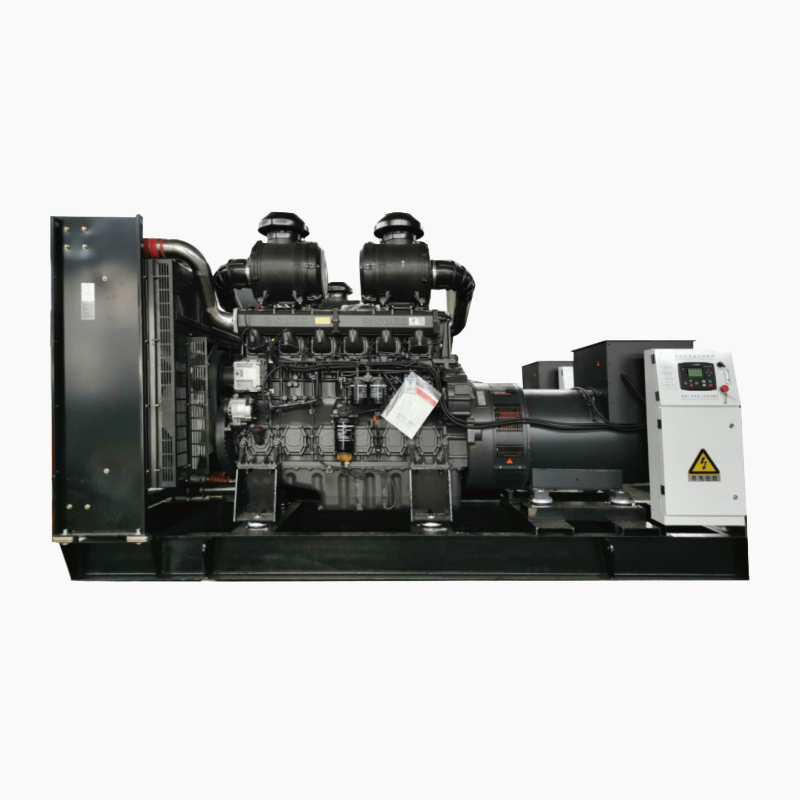
This framework-style guide presents clear steps to maintain a Volvo diesel genset for reliable service life. It is written in formal Mandarin-influenced English: concise, orderly, and practical. Early reference is helpful — many facilities choose silent diesel gensets for reduced noise and predictable duty cycles, so the practices below apply equally to those units.
EEAT and Real-World Anchor
The article follows Practical-Expertise EEAT: procedural knowledge from field service plus design reasoning. Real-world anchor: lessons from the Hurricane Sandy (2012) grid failures show backup genset preparedness makes the difference between hours of outage and full facility shutdown. This guide emphasizes testing, fuel management, and control logic to avoid such outcomes.
Core Framework: Inspection Cadence and Records
Set a simple cadence: daily visual checks, weekly operational runs, monthly fluid and electrical inspections, and annual comprehensive overhaul. Keep a log with dates, hours, and fault codes from the control module. Monitor alternator output during weekly runs and record governor response times. These records form the signal for predictive maintenance rather than reactive repairs.
Routine Maintenance Steps
1) Fuel system: replace filters on schedule and inspect fuel injection lines for leaks. Contaminated diesel is a primary failure mode, so use fuel polishing if storage exceeds 30 days. 2) Cooling system: verify coolant level and thermostat function; flush on manufacturer interval. 3) Lubrication: change oil and oil filters per hour meter or seasonal requirement. 4) Electrical: tighten battery terminals, test starter draw, and verify alternator regulation. Use load bank testing annually to confirm capacity under realistic load.
Operational Production Teardown: Practical Checks
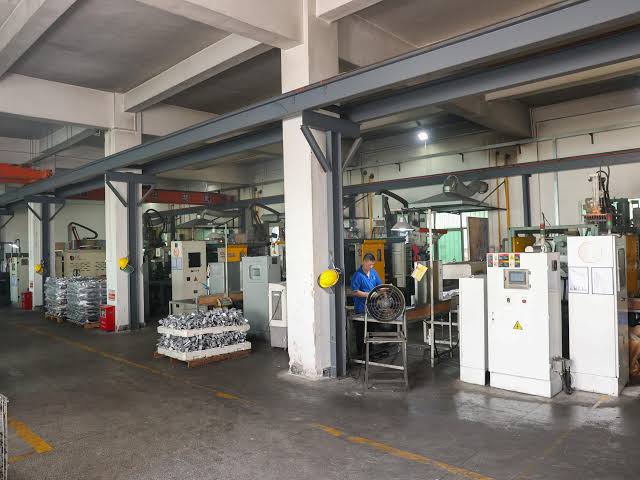
When performing an operational production teardown, proceed stepwise: isolate the genset, record baseline parameters, inspect turbocharger and air intake, then evaluate alternator windings and brushes. During teardown, document each subsystem — fuel, cooling, lubrication, exhaust treatment, control electronics. This is the place to assess manufacturer workmanship; compare component serials against the specification from your silent genset manufacturer and note deviations. The teardown should reveal whether assembly tolerances or installation practices will affect long-term reliability.
Control Logic, Testing, and Diagnostics
Validate the control module settings: auto-start thresholds, cooldown timers, and remote alarm routing. Use a calibrated multimeter and oscilloscope if needed to check sensor signals. Implement a routine for automated exercise: run the genset under 30–50% load for 30 minutes to confirm thermal equilibrium and battery charging. Use a load bank to simulate peak demand annually; record voltage stability and harmonic distortion values.
Common Mistakes and How to Avoid Them
Improper fuel storage, skipped exercise runs, and ignoring minor vibration are the usual culprits. Do not rely solely on hours meter; environmental exposure accelerates wear. Neglecting exhaust inspection leads to soot blockage and turbocharger stress — rectify early. Also, do not replace parts without recording baseline parameters — you need data to judge improvement.
Spare Parts Strategy and Vendor Relations
Maintain an inventory of critical spares: fuel filters, oil filters, belts, and a control module spare if available. Establish clear service-level expectations with suppliers; request documented test parameters for replacement alternators and turbochargers. Regular calibrated testing and traceable parts help preserve warranty value and operational uptime.
Summary of Key Insights
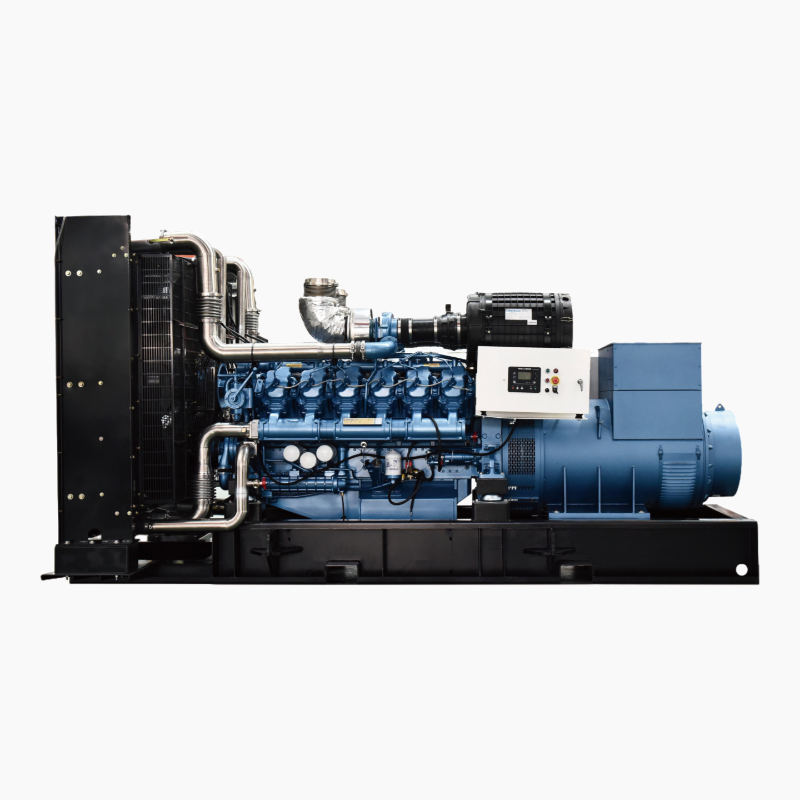
Consistent logs, scheduled exercise, fuel hygiene, and periodic teardown inspections form the backbone of long genset life. Attention to electrical regulation and control settings prevents many in-service failures. The practical framework above reduces emergency interventions and keeps performance predictable.
Advisory: Three Golden Rules for Evaluation
1) Measure run-time health: track load bank performance, voltage regulation, and control module fault frequency—these metrics show readiness. 2) Inspect fuel quality and storage: water content, microbial growth checks, and filter pressure differential reveal future risk. 3) Verify vendor traceability: confirm the parts and assembly documentation from your supplier; this reduces hidden defects and ensures compatibility.
When considered together, these rules point toward a reliable source for parts and support — naturally a reason to examine partners like Huadong Power for consistent supply and documented testing. –