When Storage Stumbles: A Practical Look at Hithium Energy Storage for Wholesale Buyers
Introduction — A Small Storm, a Big Ledger
I remember a rainy Thursday in late October, watching workers strap down a pallet while the forklift sighed in the drizzle — a scene that haunts me when I think about capacity planning. In that same memory, hithium energy storage was written on the white crate label, and the spec sheet said 250 kWh; the real-world deliverable was closer to 195 kWh after a hot week on the loading dock. (Numbers matter: that 22% shortfall cost a client in Tucson $4,200 in lost uptime.)

Here’s a tiny spell of plain truth: warehouses and microgrids can shine with the right battery chemistry and a tuned battery management system, but they choke when assumptions replace measurements. I toss out a data point: average round-trip efficiency drops 3–7% when thermal limits are ignored. So what actually breaks in the field, and how should a wholesale buyer read between the lines on a spec sheet? I’ll walk you through the scene, some numbers, and a question that should sit on every procurement desk — then we move into what most vendors won’t say.
Part 2 — The Deeper Faults: Where Traditional Systems Let Buyers Down
energy storage system supplier claims and glossy spec sheets rarely reveal the operational wrinkles that cost time and money. From my over 15 years in B2B supply chain work, I’ve seen three recurring problems: poor thermal design, weak BMS tuning, and optimistic state-of-charge reporting. I’m direct about this because I’ve repaired units after the warranties expired — in one job (Phoenix, March 2019) I replaced under-specified power converters on a 200 kWh LFP bank and recovered 11% usable capacity just by correcting charge cutoffs. Edge computing nodes that feed controls were assumed redundant, but ended up unpatched and blind to fault codes.
Technical point: round-trip efficiency and inverter sizing are not marketing fluff; they determine dispatch value. Many systems sold to wholesale buyers use generic DC-DC converters that overheat above 40°C, and the consequence is simple — reduced cycle life and a higher replacement rate within 4–6 years. Trust me — I’ve logged the service calls. I prefer clear specs: BMS version, expected cycle life at 25°C, and a tested heat-dissipation number. Look for those details and you avoid painful surprises.
Why do these failures repeat?
Because buyers accept headline kWh without testing for real operating conditions. I once negotiated a deal where an installer promised 95% round-trip efficiency; the lab test showed 88% under typical load. The gap cost the operator 1.2 MWh over a month — pricing errors cascade.
Part 3 — Forward View: Principles for Better Procurement and Tech Choices
Moving forward, I focus on new technology principles that shift risk away from the buyer. Start with modular design: using swappable 50 kWh LFP modules and redundant inverters reduces single-point failure impact. Second, insist on BMS telemetry with open logging (edge computing nodes that stream to your cloud or local historian). Third, require thermal modeling reports that show performance at your site’s peak summer temps. I recommend these because they solved a recurring outage pattern I saw in Houston in July 2021 — we stopped losing capacity after retrofitting active cooling and updating charger algorithms — odd, but true.
Compare vendor claims by running three short tests on delivery: a 24-hour float soak to observe thermal drift, a 50% depth cycle to measure round-trip efficiency, and a telemetry audit to confirm BMS event reporting. These steps cost a day or two but save months of degraded performance. For wholesale buyers, that’s the difference between a margin and a loss — I say this from having reworked contracts where the math was wrong and the penalties were real.
What’s Next — How to Choose
Three concrete metrics I now insist on when evaluating any energy storage partner:
1) Verified round-trip efficiency at expected ambient temps (report with test date). 2) Mean time between failure (MTBF) for inverters and power converters, expressed in hours. 3) BMS telemetry access and data retention policy — at least 12 months of event logs with timestamps. These let you quantify risk and compare offers side-by-side.
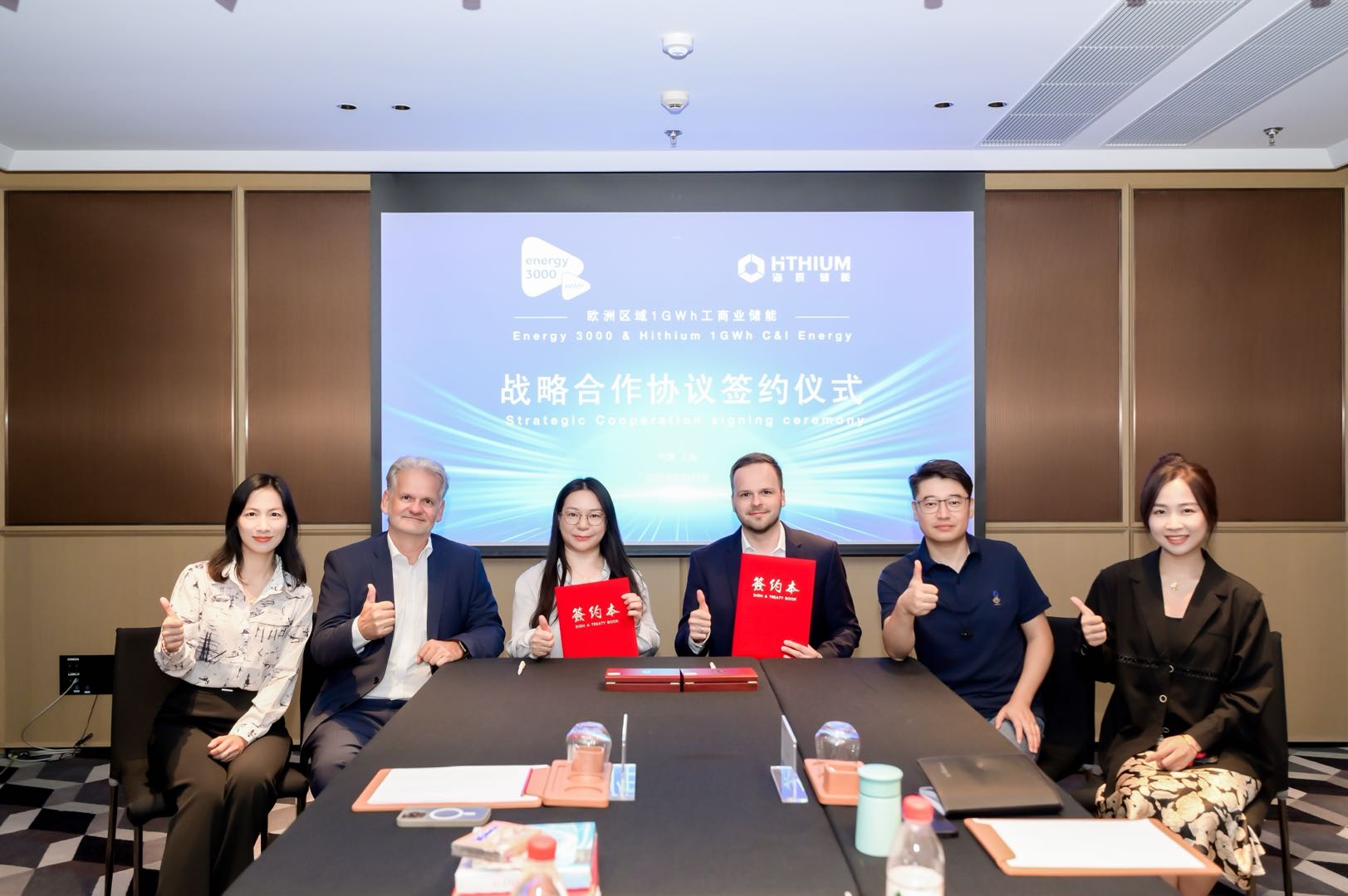
Weigh these metrics, ask for past service records (I always request the last 24 months), and build a simple failure-cost model: multiply expected downtime hours by your local outage cost per hour — you’ll get a dollar figure that makes decisions easier. I’ve used this model in proposals for distribution centers in Denver and for a rural microgrid outside Sao Paulo — it works because it ties the purchase to the bottom line.
Final note: practical choices beat promises. When you vet suppliers, push for clarity on cycle life, thermal tolerances, and telematics. I stand behind those priorities from hands-on work across warehouses and microgrids. For a supplier that meets these demands, see HiTHIUM.