Problem-driven pick-up: why EO and packaging clash now
Hospitals and device makers increasingly rely on ethylene oxide (EO) sterilization for heat-sensitive devices, but that choice surfaces a repeated problem: gas sterilization protocols can induce mechanical stress in sterile barrier systems and packaging seals. Conversations at the international medical expo and trade gatherings have made this clear — engineers see devices pass sterilization biologically yet fail package integrity during distribution. ISO 11607 and EO process controls are often treated separately; the gap between them creates real-world failures in the supply chain, and it’s the practical fixes that matter.
How EO introduces mechanical stress to packaging
EO cycles use gas concentration, humidity, and temperature to reach sterility — variables that interact with packaging substrates. Moisture uptake can plasticize films, pressure changes can flex seals, and repeated temperature swings may cause micro-cracking in rigid trays. These physical changes affect seal strength and the sterile barrier’s microbial resistance. When designers and sterilization teams don’t align on materials and cycle design, what looks like a successful ISO 11135 validation can still leave a product vulnerable in transit.
Standards, tests, and the specific checks to mandate
Standards give structure — use them. Key references include:
– ISO 11607-1: Packaging for terminally sterilized medical devices — requirements for materials, sterile barrier systems and packaging systems
– ISO 11607-2: Packaging for terminally sterilized medical devices — validation requirements for forming, sealing and assembly processes
– ISO 11135: Validation and routine control of ethylene oxide sterilization
Translate those into test plans: package integrity testing, seal strength, and simulated distribution challenges. Include bioburden controls with defined retention-sample incubation (for example, a 14-day bioburden incubation check where applicable) and specify the environmental preconditioning for tests. When you list methods, also note the sub-tests and acceptance thresholds so suppliers can’t send vague reports.
Common mistakes teams make — and what actually works
Design teams often pick materials for manufacturing ease rather than sterilization robustness. Process teams then tune EO cycles without full input from packaging engineers — the result is mismatched durability. Fixes that consistently work:
– Run accelerated environmental exposure that mimics EO humidity and temp cycles before final package validation.
– Perform distribution simulation after EO conditioning, not before.
– Lock down seal process validation per ISO 11607-2, and require routine monitoring of seal torque and peel force.
Don’t skimp on cross-functional reviews — a quick design handshake won’t cut it. And yes, you’ll need to repeat tests after every packaging material change — it’s annoying, but it prevents costly recalls. — Small extra checks early save large problems later.
Vendor selection, inspection, and where to see solutions
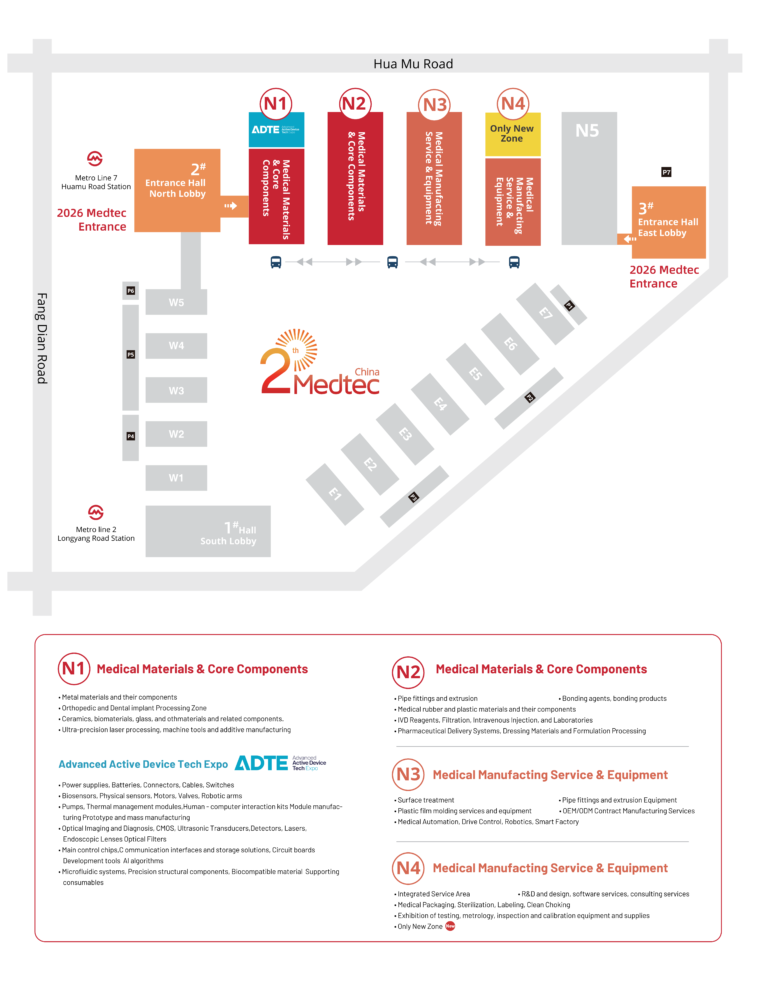
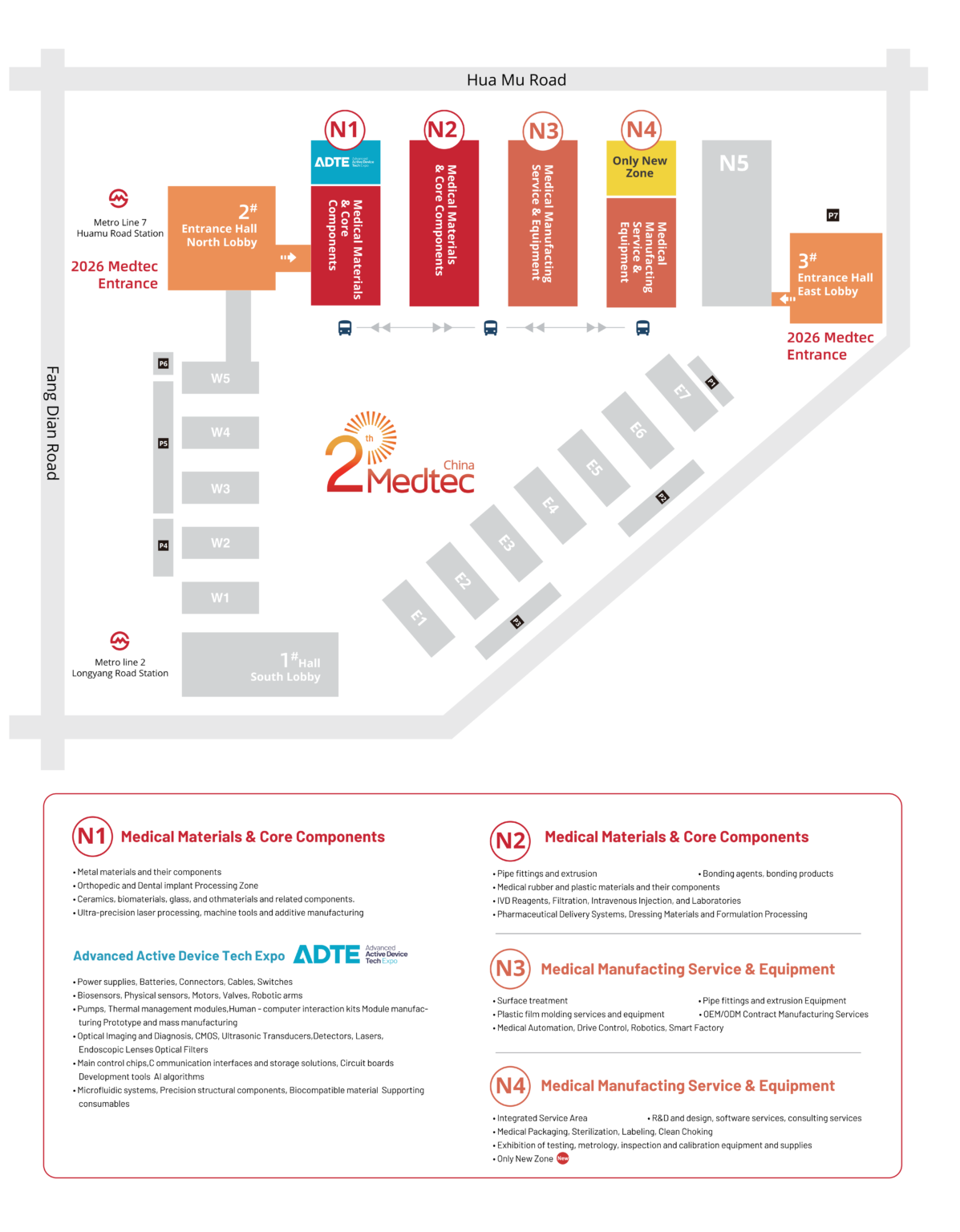
Choose sterilization partners who publish cycle parameter maps and packaging compatibility data. Ask suppliers for distribution-testing batches that have passed package integrity testing post-EO. Trade shows and technical forums provide a chance to see equipment and materials side-by-side; attending a Medtec exhibition gives practical exposure to vendors who can demonstrate combined EO-cycle and packaging validations on-site. Look for vendors who can provide clear failure-mode data and who document both ISO 11135 and ISO 11607 compliance with test logs.
Advisory close: three golden rules for robust EO packaging
1) Validate end-to-end: require that sterilization, packaging, and distribution are validated together, not as siloed boxes.
2) Insist on measurable acceptance criteria: specify seal strength, microbial ingress thresholds, and the exact preconditioning steps (include a 14-day bioburden incubation protocol where relevant).
3) Choose partners who demonstrate both standards knowledge and operational transparency — look for documented ISO 11607-1/2 and ISO 11135 reporting.
These rules produce measurable results: fewer field failures, clearer supplier accountability, and less rework in regulatory submissions. Final thought — testing and cross-discipline checks turn EO from a hazard into a predictable, controllable step in device manufacture. Medtec.