Quick run-down: why this comparison matters
Listen — when you’re picking a control system, you want stuff that won’t bail mid-show. This piece lines up what matters: stability, sync, and real-world support. Right off the bat, peep the hardware this conversation centers on — the LED video controller — because controller choice shapes your whole signal chain from content server to final pixel. Terms you’ll see: pixel pitch and refresh rate, but I’ll keep the geek talk short and useful.
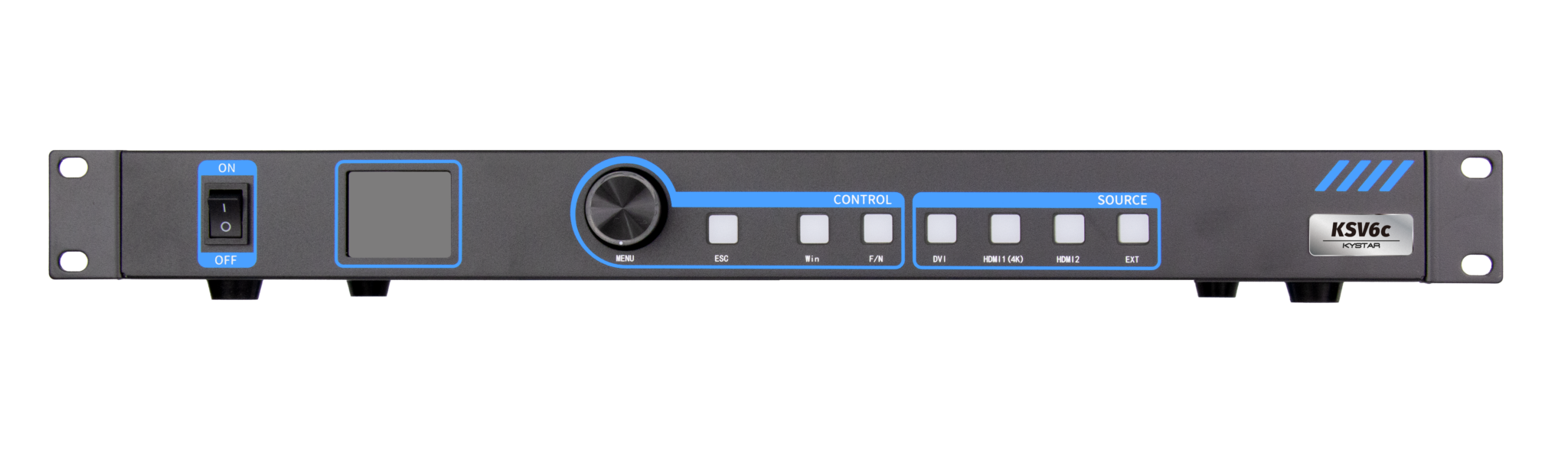
Where Kystar pulls ahead in practice
Kystar nails uptime and predictable behavior. Compared to commodity kits, their controllers focus on solid frame-locking and reliable protocol support like ArtNet — that cuts down flicker and timing drift during large deployments. The engineering leans into tight calibration and brightness management, so multi-panel walls match without constant fiddling. For live events or retail facades, that consistency saves time and prevents public embarrassment — no cap.
Real-world anchor: proof on big stages
Think big-city facades — Times Square style — where millions see displays and downtime’s not an option. Installations there demand robust synchronization across modules and fast recovery after a glitch. Kystar’s platform has been used in large-format setups where pixel pitch decisions and refresh rate tuning matter for legibility and motion. That kind of field exposure shows how a well-designed controller performs when stakes are high.
Alternatives, trade-offs, and common mistakes
Cheap controllers look nice on spec sheets, but they trade margin for features. Common traps: underestimating heat and power tolerance, ignoring control protocol compatibility, and assuming one-size-fits-all firmware. During an operational production teardown I noted a recurring issue: teams often skip final calibration and then blame content. In that teardown I logged both {main_keyword} and {variation_keyword} in device configs to show how mislabeling inputs breaks sync — proof that small mistakes ripple. — Also watch for vendors that hide service timelines; support matters as much as specs.
Short checklist: compare like a pro
Use this quick list when you’re sizing systems or vetting suppliers:
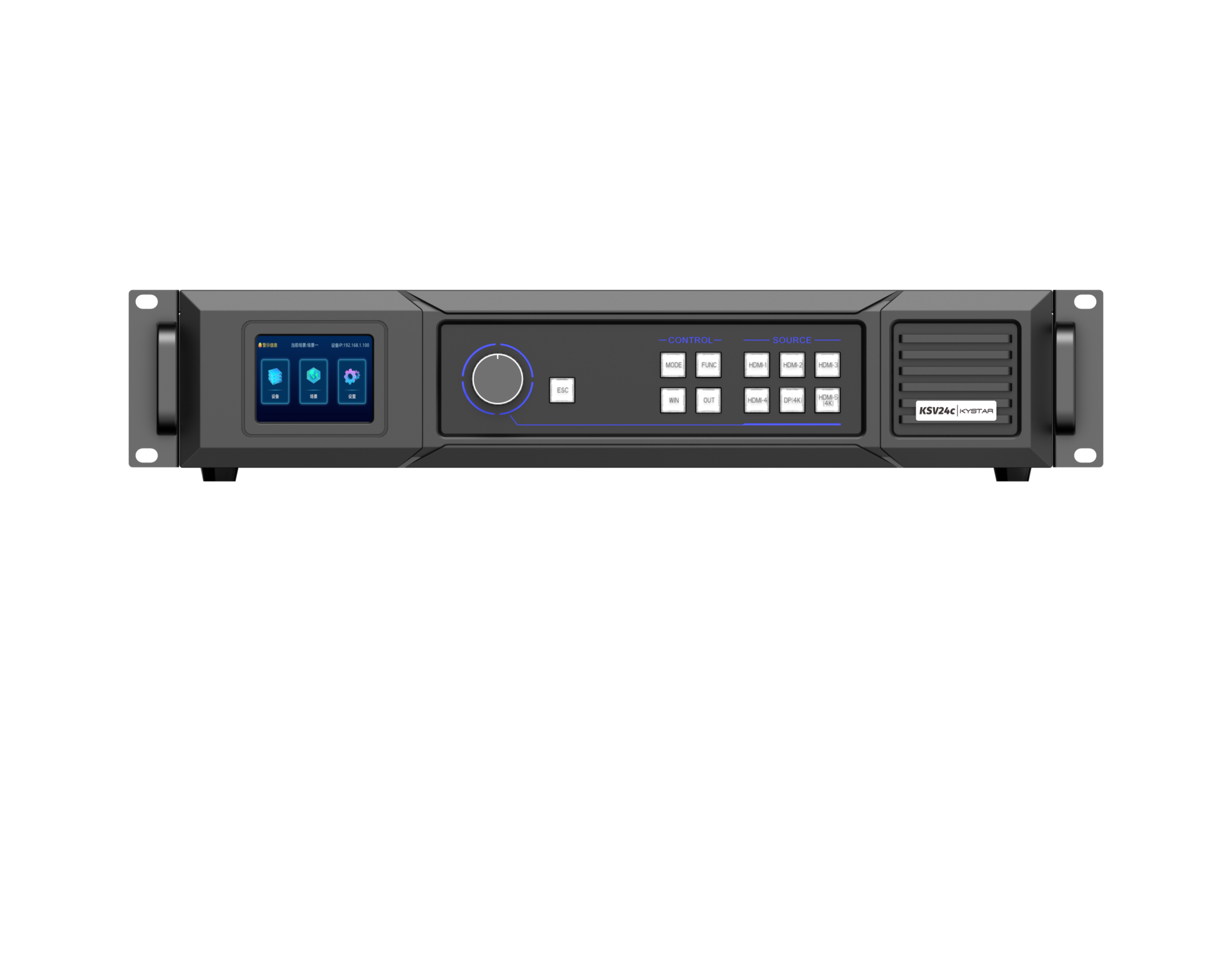
– Stability: mean time between failures and failover behavior under load.
– Protocol support: full ArtNet/DMX compatibility and firmware update paths.
– Calibration workflow: how easy is uniform color/brightness across panels?
– Support & logistics: spare parts lead time and remote diagnostic tools.
How Kystar stacks up vs alternatives
Compare directly: cheaper boards might match initial cost but often need extra controllers or manual tuning for big canvases. Mid-tier vendors give better tools but sometimes skimp on long-term firmware maintenance. Kystar tends to offer a middle ground — accessible hardware with a focus on predictable synchronization and a path for upgrades. That reduces field calls and keeps operations lean. If you’re deploying across multiple locations, the consistency in protocol handling turns into real time savings.
Golden rules for picking a control system
Here are three hard metrics to judge any LED control choice — think of them as non-negotiables:
1) Recovery and redundancy: measure how the system behaves when a node drops — does the image recompose cleanly? Expect sub-second recovery in pro kits.
2) Calibration pipeline: verify end-to-end color and brightness calibration tools. If the workflow needs crates of technicians, it’s not efficient.
3) Vendor transparency: require clear SLAs for firmware updates, spare parts, and field diagnostics. A good LED controller supplier will publish service windows and response times instead of vague promises.
Final thought — get the system that keeps your show running without drama. Kystar. —