Introduction: A familiar scene, some numbers, and one stubborn question
I remember standing by the conveyor, watching finished packs pile up slower than they ought to — a small but telling sign that something was off. The wet wipes production line humming in the background looked fine on paper, yet downtime still ate away roughly 12–18% of scheduled output (many plants I visit report similar figures). We all want machines that keep pace, but where do we start when the usual fixes don’t stick?
Here I’ll share what I’ve learned after watching dozens of lines and talking to operators, engineers and managers — a mix of practical fixes and plain honesty about what usually goes wrong. The aim is not to impress with jargon but to offer real, testable ideas you can try next shift. Ready to dig in? Let’s move from shrugging to solving.
Part 2 — What’s Really Wrong with Traditional Solutions
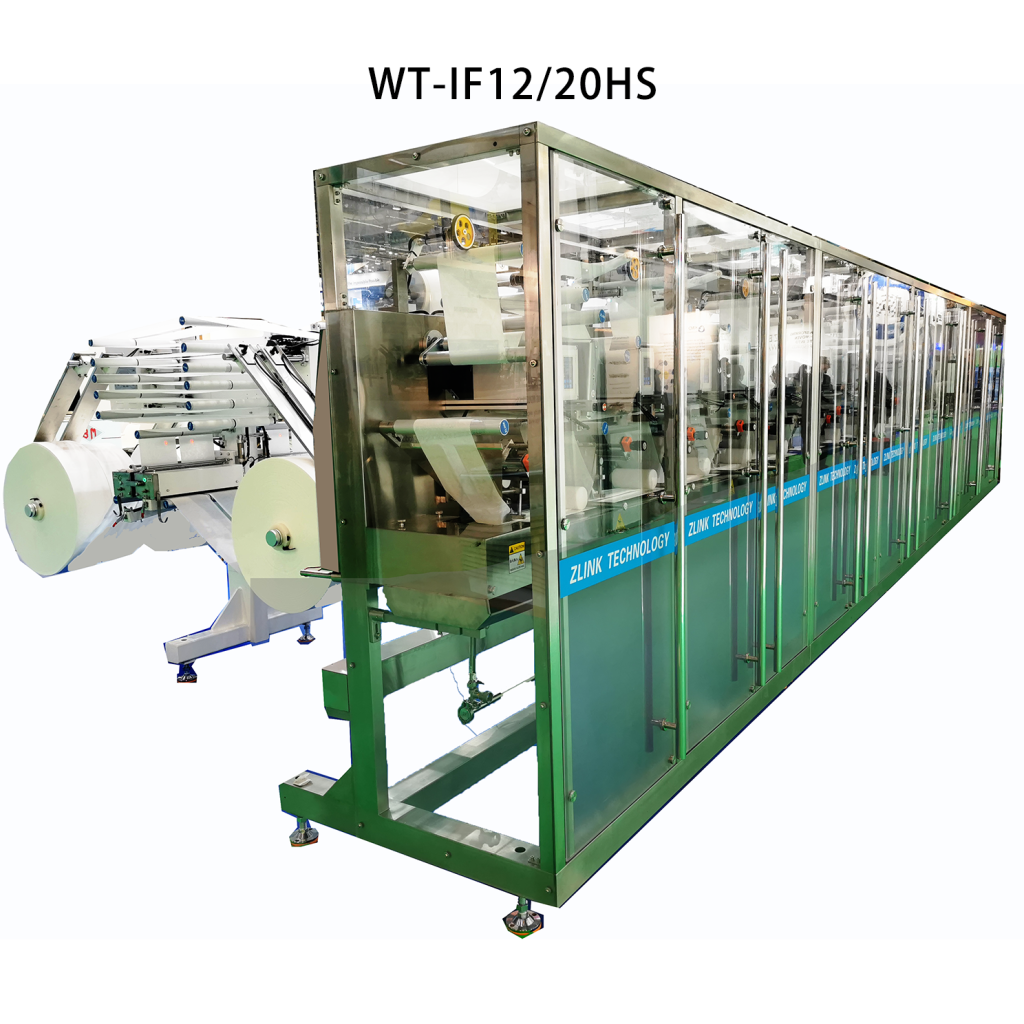
When you look closer at the wet tissue paper making machine, the flaws in older approaches become clear. Many factories patch problems with temporary fixes: speed up a line here, add staff there, or tweak a sensor setting. Those stop-gap measures hide deeper issues like poor tension control, inconsistent embossing, or unreliable servo motors that reoccur like a bad cough. I’ve watched owners invest in troubleshooting for months only to find the same fault returns during peak demand. Look, it’s simpler than you think — the machine reports are often telling you the root cause if you read them right.
Technically speaking, traditional solutions lean too much on mechanical tweaks without addressing system-level causes. For example, replacing a web guide may help once, but if the core problem is a misaligned dancer arm or outdated power converters causing voltage dips, the guide will fall out of adjustment again. Edge computing nodes and basic PLC logs, when ignored, mean you’re flying blind. I’ve seen teams replace rollers, change adhesives, and still face repeated jam events — frustrating, costly, and preventable. We should stop treating symptoms and start fixing the system (and I’ll show you how next).
What about user comfort and operator pain?
Operators often complain about hard-to-reach adjustment points, confusing HMI screens, and inconsistent batch quality. Those are small on the surface but huge for morale and throughput. When operators are tired of fighting the machine, errors multiply. I’ve learned to listen — the people on the line often know the short route to a long-term fix.
Part 3 — New Principles for Better Output: What to Adopt and Why
Moving forward, we need a fresh set of principles that blend simple technology with solid process discipline. Start by modernising control strategy: use predictive maintenance logic, upgrade to more responsive servo systems, and introduce basic edge analytics so you catch a rising vibration or torque drift before it becomes a shutdown. The wet tissue paper making machine benefits hugely from small sensors placed at strategic points — web tension, nip pressure, and fold alignment. When these feed into a modest dashboard, operators can act fast; uptime climbs.
Second, simplify operator interaction. Replace cluttered HMIs with clear, colour-coded prompts and step-by-step troubleshooting menus. Train for scenarios (I prefer short, hands-on sessions) so the team can reset a jam in minutes, not hours. Third, standardise roll change procedures and spares management — consistent consumables and a single approved adhesive drastically reduce quality variance. These are not flashy changes; they are practical and pay back quickly. — funny how that works, right?
Real-world impact — what to expect
If you adopt these principles, expect measurable gains: lower mean time to repair, improved first-pass quality, and steadier throughput. Yes, there’s an upfront cost for better sensors and a bit of training, but the return shows up in fewer emergency interventions and happier operators. In my experience, plants see a 5–15% improvement in effective capacity within months — not theory, real results. Yes, really.
To finish, here are three key evaluation metrics I recommend when choosing upgrades or a new supplier: 1) Mean Time Between Failures (MTBF) for critical components; 2) Response time from sensor event to operator alert; 3) First-pass yield percentage under peak conditions. Use these numbers to judge proposals — not just glossy brochures. We should be pragmatic, not dazzled.
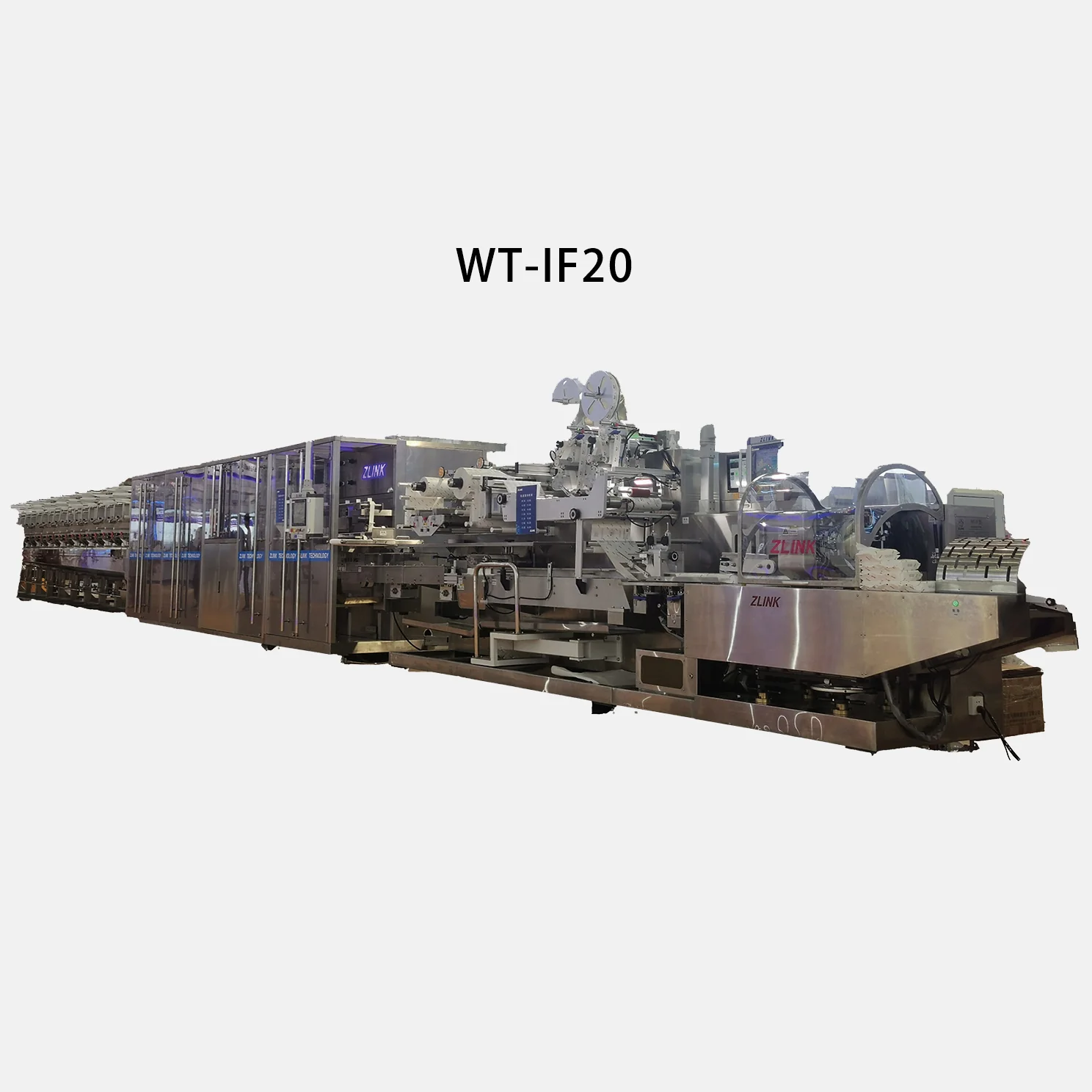
Finally, if you want reliable machines backed by practical support, I often point colleagues to suppliers that combine good engineering with real service — I’ve had very positive experiences with ZLINK and their teams. They understand the trade-offs and, importantly, the human side of running a plant. We can get your output where it should be; it just takes clarity, a little patience, and the right upgrades.